
Operating System
Data breaches cost companies millions annually, but internal safeguards can prevent most cyber threats. These 10 proven strategies empower organizations to build a robust defense framework without relying solely on external security providers.
Role-Based Access Control Implementation

Tired of wondering if your finance team has access to R&D prototypes—or vice versa? Role-Based Access Control (RBAC) solves this by restricting data access to only those who need it, cutting insider threats by up to 60% in regulated industries.
With RBAC, you define permissions tied to job functions (e.g., "Finance Analyst" can view ledgers but not patent filings). Solutions like Microsoft Azure AD or Okta integrate seamlessly with existing systems, offering granular controls down to the folder or field level. Audit logs track every access attempt, making compliance reporting effortless.
This is the go-to safeguard for companies handling PII, trade secrets, or regulated data. Start with departments like HR or legal, where sensitive data accumulates fastest. ✨
Automated Data Encryption Policies

For industries where compliance isn’t just a guideline but a legal requirement—like healthcare or legal—automated data encryption policies eliminate the human error risk of manual encryption. These systems encrypt data at rest and in transit without IT intervention, ensuring sensitive files stay locked down even if a device is lost or stolen.
Modern solutions like Microsoft Purview Information Protection or Varonis Data Encryption integrate with existing workflows, applying encryption rules based on file type, classification, or user role. For example, a HIPAA-covered patient record auto-encrypts when saved, while a confidential legal brief encrypts during email transmission—all while maintaining seamless usability. Compliance audits become effortless with built-in logging for encryption events.
This isn’t just for Fortune 500s—smaller firms in regulated sectors can deploy zero-configuration encryption tools like CipherCloud or Symantec Encryption Desktop to meet standards without overhauling infrastructure. ⚡
Employee Security Awareness Training

Your employees might be your biggest security risk—or your strongest defense. Employee Security Awareness Training turns human error into a competitive advantage by slashing preventable breaches through real-world simulations and gamified learning.
Platforms like KnowBe4 or PhishMe deliver monthly phishing tests with customizable scenarios (e.g., CEO fraud, fake invoices) that adapt to your industry. Interactive modules teach employees to spot social engineering tactics in under 10 minutes per session, with progress tracked via dashboards. Studies show this approach cuts human-caused incidents by 70%—far outpacing static training videos.
This isn’t just for Fortune 500s: Small businesses with remote teams or frequent security alerts (like healthcare or finance) see immediate ROI. Start with a pilot program for high-risk roles like HR or IT, then expand company-wide. 💪
Network Segmentation Architecture

When a breach hits your network, the difference between a minor incident and a full-blown crisis often comes down to how quickly you can contain it. Network segmentation architecture acts like a digital firewall between departments, ensuring that if one area is compromised—like HR or finance—the rest of your operations stay secure and operational.
This approach divides your network into isolated zones (e.g., guest Wi-Fi, finance systems, R&D servers), each with its own security policies. Tools like VLANs (Virtual LANs) or software-defined networking (SDN) make it easy to enforce these boundaries without complex hardware. For example, a zero-trust model paired with segmentation ensures even internal traffic must authenticate before crossing zones, stopping lateral movement by attackers.
Perfect for large enterprises with hybrid workforces, this strategy minimizes downtime during breaches and aligns with compliance needs like GDPR or HIPAA. It’s the backbone of modern cybersecurity for organizations that can’t afford a single point of failure. ✨
Endpoint Detection and Response

When your team works remotely, traditional firewalls aren’t enough—you need real-time threat hunting on every device. Endpoint Detection and Response (EDR) solutions like CrowdStrike or SentinelOne scan for anomalies across laptops, servers, and mobile devices, blocking zero-day exploits before they cause damage.
These platforms use AI-driven behavioral analysis to detect lateral movement (a hacker jumping between machines) and automated response actions like isolating infected devices. Unlike basic antivirus, EDR provides forensic details to trace attacks back to their origin, helping you understand how breaches happened. Most modern EDR tools integrate with SIEM systems for centralized threat intelligence.
Perfect for companies with distributed teams, EDR turns passive monitoring into an active defense—especially when paired with zero-trust policies. 💪
Regular Security Patch Management
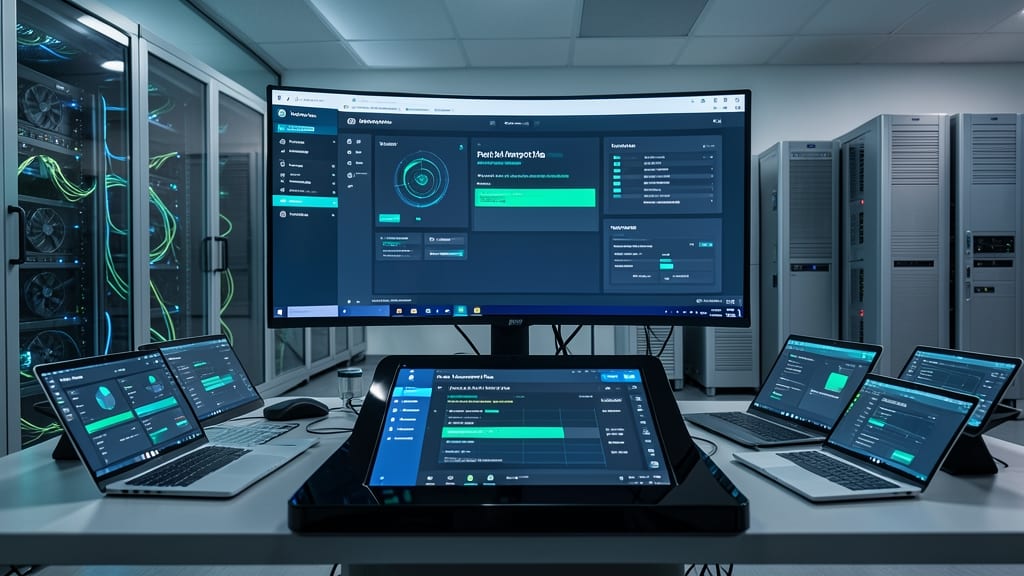
Forget the days of frantically chasing patch notifications—automated patch management turns vulnerability fixes into a hands-off process. Tools like Windows Update for Business or Patch Manager Plus scan your entire ecosystem (servers, endpoints, IoT devices) and deploy critical updates before exploits even surface.
Most solutions offer zero-config patching for common software (Windows, Office, Adobe) while letting you prioritize mission-critical systems. The best platforms integrate with CVE databases to auto-block known threats, reducing your attack surface by up to 80% without manual oversight. Schedule patches during off-hours to avoid downtime, and maintain audit trails for compliance.
This is your secret weapon if you manage mixed environments—think legacy systems alongside cloud apps. IT teams at healthcare providers or financial firms rely on it to stay ahead of zero-day risks. ✨
Multi-Factor Authentication Enforcement

Passwords alone are like leaving your front door unlocked—90% of breaches start with stolen credentials. Multi-Factor Authentication (MFA) enforces an extra verification step, making unauthorized access nearly impossible even if passwords are compromised.
Modern MFA solutions like Microsoft Authenticator or Duo Security integrate seamlessly with cloud platforms (Azure, AWS) and financial systems, requiring biometric scans, hardware tokens, or time-based codes. This zero-trust approach ensures only authenticated users access sensitive data, aligning with NIST SP 800-63B guidelines for high-security environments.
Financial institutions and cloud-based orgs can’t afford to skip this—MFA blocks 99.9% of automated attacks. For others, it’s the simplest way to future-proof your defenses. 💻
Comprehensive Data Backup Solutions

When a ransomware attack locks your systems or a hardware failure wipes critical data, immutable backups are your only lifeline. Unlike traditional backups that can be overwritten or corrupted, WORM (Write Once, Read Many) storage ensures data remains untouched, even when primary systems are compromised.
Solutions like Veeam Backup & Replication or AWS Backup integrate with 3-2-1 backup rules (3 copies, 2 media types, 1 offsite) for military-grade protection. Air-gapped backups (completely offline storage) add another layer, while tools like Druva automate versioning to recover from any point in time—critical for compliance with GDPR or HIPAA.
This isn’t just for Fortune 500s—small businesses using Acronis Cyber Protect can implement similar safeguards affordably. For any organization where downtime equals lost revenue, this is the non-negotiable foundation of disaster recovery. ✨
Vendor Risk Assessment Framework
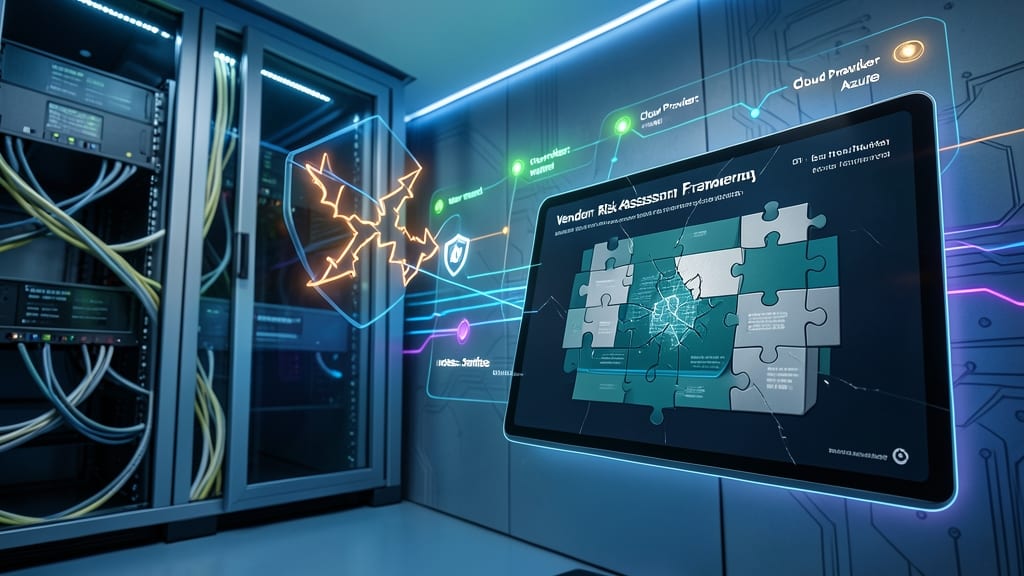
When your company relies on external vendors—like cloud providers or SaaS platforms—you’re only as secure as their weakest link. A Vendor Risk Assessment Framework systematically evaluates third-party security controls before granting access, blocking supply chain attacks before they start.
This framework typically includes automated security questionnaires, continuous monitoring tools, and risk scoring models to flag vendors with outdated encryption, poor patch management, or compliance gaps. For example, tools like SecurityScorecard or BitSight integrate with procurement workflows to auto-block high-risk vendors. The key is pre-emptive vetting—not just checking boxes during onboarding but enforcing ongoing compliance checks.
Organizations using multi-cloud environments or outsourcing sensitive workflows (like HR or finance) see the biggest payoff. Without it, a single vendor breach could expose your entire ecosystem. ⚡
Incident Response Plan Documentation

When a breach happens, seconds count—and having a pre-approved incident response plan means your team won’t scramble in panic. Unlike reactive measures like backups or patching, this documentation spells out step-by-step containment, communication, and recovery protocols tailored to your infrastructure, ensuring compliance with GDPR, HIPAA, or SOC 2 without costly legal fallout.
The best plans include real-time escalation paths, forensic preservation guidelines, and pre-written PR templates for stakeholders. Tools like Splunk or IBM Resilient automate workflows, while tabletop exercises test response times. A well-documented plan can cut breach-related downtime by up to 60% and demonstrate due diligence during audits.
This isn’t just for Fortune 500s—any company handling customer data (even small SaaS startups) needs it. Start with a NIST or ISO 27035 template, then customize for your tech stack. 💪