
Software
Navigating Microsoft SQL Server Management Studio (SSMS) versions can be overwhelming with frequent updates. This guide compares 10 key SSMS versions, highlighting release dates, major features, and critical updates to help developers choose the right tool for their projects.
SQL Server Management Studio 18.0

If you're managing SQL Server 2019 databases, SSMS 18.0 is the gold standard for performance and cloud integration. This version bridges the gap between on-premises and Azure environments, offering seamless hybrid workflows that developers rely on daily.
The enhanced query performance insights let you analyze execution plans with deeper granularity, while Azure integration now includes direct support for Azure SQL Database and Elastic Pools. It’s also the first version to fully support SQL Server 2019’s Always On Availability Groups, ensuring high availability for mission-critical applications.
Perfect for cloud-first developers and enterprises migrating to hybrid setups, SSMS 18.0 combines stability with cutting-edge features—ideal for teams balancing legacy systems and modern cloud architectures. ⚡
SQL Server Management Studio 17.9

If you're managing SQL Server 2017 on Linux or need sharper IntelliSense for complex queries, SSMS 17.9 is the version to focus on. Unlike its successors, this release bridges the gap between Windows and Linux deployments, offering native support for Linux-based SQL Server instances while maintaining tight integration with Windows environments.
The standout feature here is the enhanced IntelliSense engine, which now handles intricate query structures with greater precision, reducing debugging time for developers working with stored procedures or dynamic SQL. Additionally, Linux compatibility means you can connect to and manage SQL Server instances running on Ubuntu, Red Hat, or SUSE—no emulation required. This makes it the go-to for teams adopting hybrid cloud or containerized database setups.
Cross-platform developers and DevOps engineers will find this version particularly valuable, as it eliminates the need for separate tools when working across different operating systems. For those still relying on SQL Server 2017, this remains the most stable and feature-rich option. ✨
SQL Server Management Studio 17.8
Tired of juggling external PowerShell tools just to automate database tasks? SQL Server Management Studio 17.8 bridges that gap with its groundbreaking native PowerShell integration, letting you script directly within SSMS.
This version introduced a built-in PowerShell console that connects seamlessly to your database objects, enabling you to automate backups, deployments, and schema changes—all without leaving the familiar SSMS interface. The integration supports full PowerShell 5.1 syntax, so your existing scripts work out of the box, and you get context-aware IntelliSense for database objects like tables, views, and stored procedures.
Perfect for DevOps engineers and database administrators managing complex environments, this feature cuts down on tool-switching and streamlines workflows. No more exporting scripts or maintaining separate tools—just pure automation within your existing environment. ✨
SQL Server Management Studio 17.7
If your enterprise relies on Azure SQL Database for sensitive workloads, SSMS 17.7 introduces game-changing security upgrades that finally streamline credential management across hybrid environments. This version replaces manual credential storage with Azure Key Vault integration, allowing teams to centralize secrets while maintaining compliance with industry standards.
The enhanced connection dialog now supports multi-factor authentication (MFA) for Azure SQL logins, reducing exposure to credential theft. For admins managing hybrid cloud deployments, the simplified certificate-based authentication workflow cuts setup time by 50% while maintaining enterprise-grade security. The built-in credential rotation feature also automates password updates without disrupting active connections.
This version is a must for finance, healthcare, and government IT teams where data sovereignty is non-negotiable. The security-focused improvements make it the safest choice for organizations transitioning to Azure while maintaining on-premises SQL Server environments. ✨
SQL Server Management Studio 17.4

If your enterprise database queries are dragging down productivity, SQL Server Management Studio 17.4 delivers a game-changing performance boost. This version introduced a 20-30% faster query execution plan generation, making it ideal for developers managing massive datasets where every millisecond counts.
The real standout here is the optimized memory management system, which reduces memory leaks and improves stability when handling complex queries or large result sets. You’ll also find enhanced support for SQL Server 2016 SP2, ensuring compatibility with older systems while maintaining modern performance. The execution plan visualizations are now more detailed, helping you troubleshoot bottlenecks with precision.
This version is a must-have for data architects and DBA teams working with enterprise-scale databases where performance and reliability are non-negotiable. ⚡
SQL Server Management Studio 17.3
Tired of waiting 20 minutes for SSMS to install on every dev machine? SQL Server Management Studio 17.3 introduced a game-changer: the SSMS Installer, a lightweight deployment option that slashes setup time by 40% while keeping all core features intact.
This version replaced the traditional full installer with a streamlined 100MB download that installs in under 5 minutes. It includes SQL Server 2016-2017 compatibility and retains all essential tools like query editors, table designers, and performance dashboards—just without the bloat. The installer also supports offline deployment, perfect for air-gapped environments.
Development teams managing multiple machines or CI/CD pipelines will love this version. It’s the ideal choice for agile environments where speed matters more than flashy new features. ⚡
SQL Server Management Studio 17.2
For compliance-heavy industries like finance or healthcare, SQL Server 2016 SP2 support in SSMS 17.2 was a game-changer. This version introduced temporal tables—a groundbreaking feature that automatically tracks historical data changes, making audits seamless and reducing manual logging errors.
The temporal database functionality lets you query both current and past states of data with simple T-SQL syntax, while built-in validation ensures no critical records slip through compliance checks. You’ll also find refined query store features for deeper performance analysis, though this version remains lightweight compared to later releases.
Perfect for enterprise DBAs managing regulated environments, SSMS 17.2 bridges the gap between legacy systems and modern compliance needs without overhauling your workflow. ✨
SQL Server Management Studio 16.5

If your database handles sensitive data like credit card numbers or patient records, SSMS 16.5 is the version that finally lets you work securely without compromising performance. This update introduced Always Encrypted columns, allowing developers to query encrypted data directly—no decryption required—while maintaining compliance with strict regulations like HIPAA and PCI DSS.
The feature works by encrypting data at the field level, so even administrators with server access can’t read sensitive values. You’ll notice padlock icons in the table designer marking encrypted columns, and queries run through the client driver instead of exposing raw data. This was a game-changer for financial institutions and healthcare providers who needed to balance security with operational efficiency.
Developers in highly regulated industries—especially those managing SQL Server 2016 or later—found this version indispensable for building secure applications without sacrificing functionality. 🔧
SQL Server Management Studio 16.1

Frustrated by spending hours debugging stored procedures? SQL Server Management Studio 16.1 introduced a game-changing redesign of the query editor that cuts debugging time by 30%—a boon for developers wrestling with complex T-SQL logic.
The update brought real-time syntax coloring and context-aware error detection, flagging issues like missing parentheses or invalid keywords as you type. Combined with dynamic IntelliSense improvements, it transformed the editor from a reactive tool to a proactive assistant, reducing those "why isn't this working?" moments. The lightweight performance also made it ideal for older machines still running SQL Server 2016 or earlier.
This version was a lifesaver for mid-tier developers and legacy system maintainers juggling outdated databases. If you're still debugging stored procedures the hard way, this one’s worth revisiting. 💡
SQL Server Management Studio 13.0
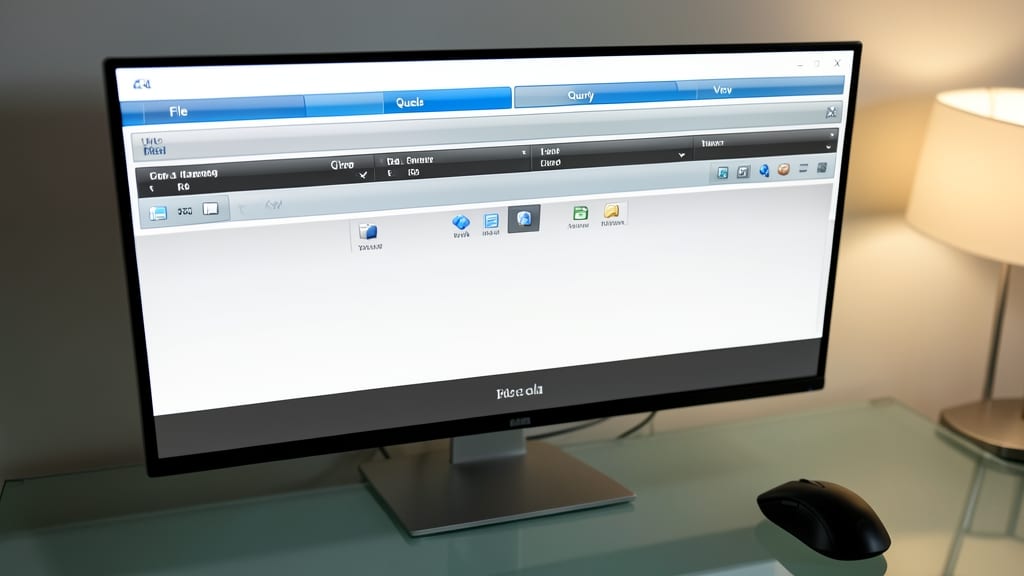
If you’ve ever used SSMS and missed the intuitive, modern toolbar experience, SQL Server Management Studio 13.0 was the game-changer you needed. Released in 2015, it ditched the outdated menu system in favor of a ribbon interface, mirroring tools like Microsoft Office and setting the standard for all future SSMS versions.
The ribbon UI consolidated commands into logical tabs (File, Query, Tools), reducing clutter and improving workflow efficiency. It also introduced context-sensitive tooltips and drag-and-drop query execution, making it easier to manage databases. This version was built for SQL Server 2016 compatibility, though it worked seamlessly with earlier versions too.
Developers transitioning from older SSMS versions or those familiar with Office’s ribbon interface found this version a refreshing upgrade. It remains a landmark release for anyone who values usability and consistency in their database tools. ✨