
Tip & Trick
Struggling to unlock SharePoint’s full potential? These eight beginner-friendly tips will transform how you collaborate, organize, and automate tasks—without overwhelming technical jargon. Perfect for new users eager to boost productivity immediately.
Master SharePoint navigation with Quick Launch
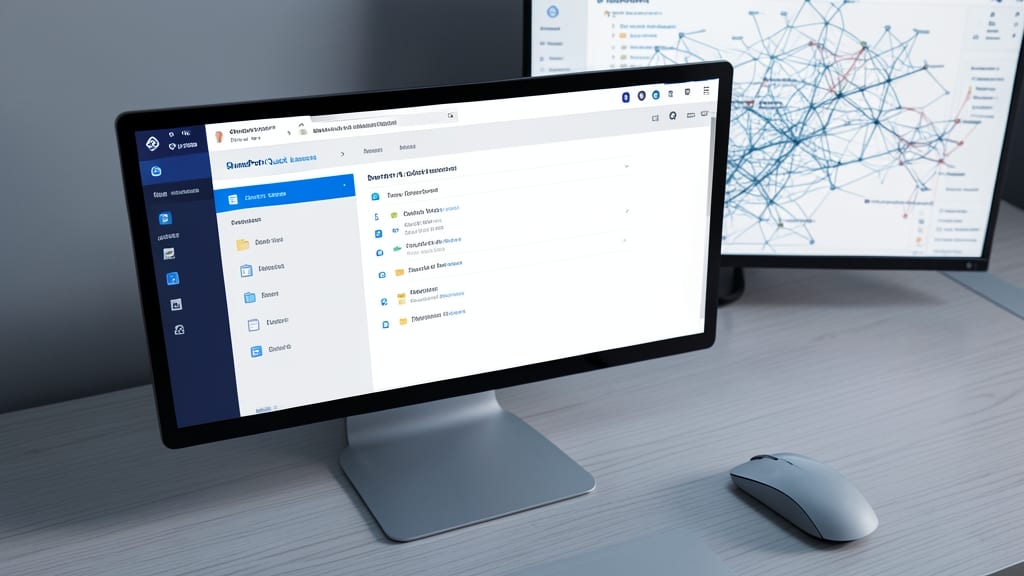
Tired of wasting minutes hunting through SharePoint’s endless site hierarchy? The Quick Launch menu is your secret weapon—turning chaotic navigation into one-click access. Simply pin your most-used document libraries, lists, or sites to the left rail, and voila: instant shortcuts that adapt to your workflow.
This feature lets you customize visibility by site, so only relevant links appear (no more scrolling past irrelevant folders). The mobile app syncs these shortcuts too, so your pinned items follow you seamlessly. Best of all, it’s zero-config—just drag and drop to personalize.
Perfect for project managers juggling multiple teams or freelancers accessing client portfolios. With Quick Launch, you’ll reclaim hours weekly—no more tab-switching or lost files. ✨
Use modern document libraries for seamless file management
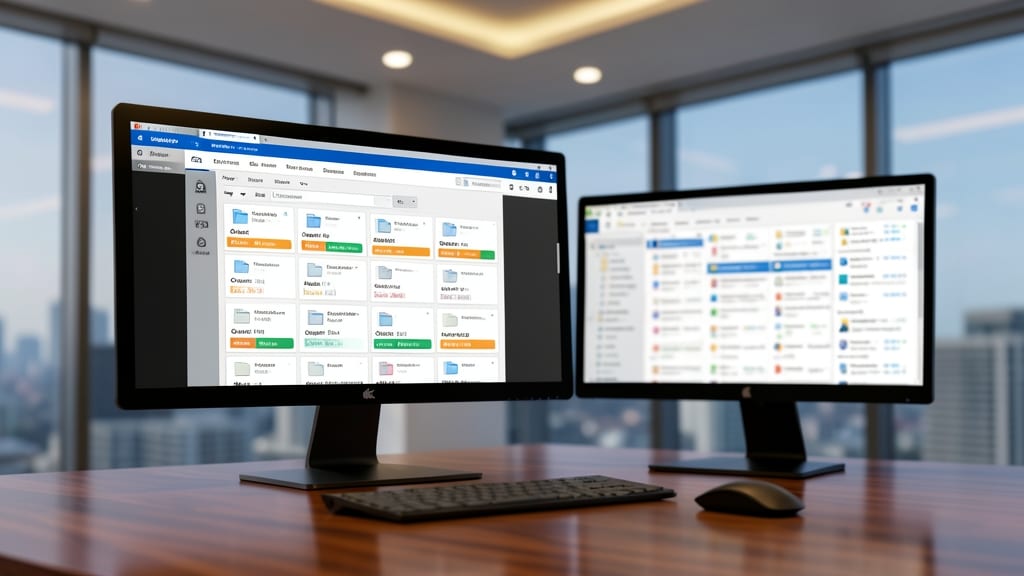
Tired of digging through endless folders just to find the right file? Modern Document Libraries in SharePoint turn chaos into control with metadata tags, version history, and smart search—no more "FileNotFound" panic.
Add custom columns like "Project," "Owner," or "Status" to instantly filter files. Need to track changes? The versioning system keeps every edit, so you can roll back to a previous draft in seconds. Plus, co-authoring lets teams edit documents live without overwriting each other’s work.
This is your secret weapon if you manage contracts, marketing assets, or HR documents. Teams using these libraries cut file retrieval time by 60% and slash version confusion. ✨
Leverage microsoft lists for simple data tracking
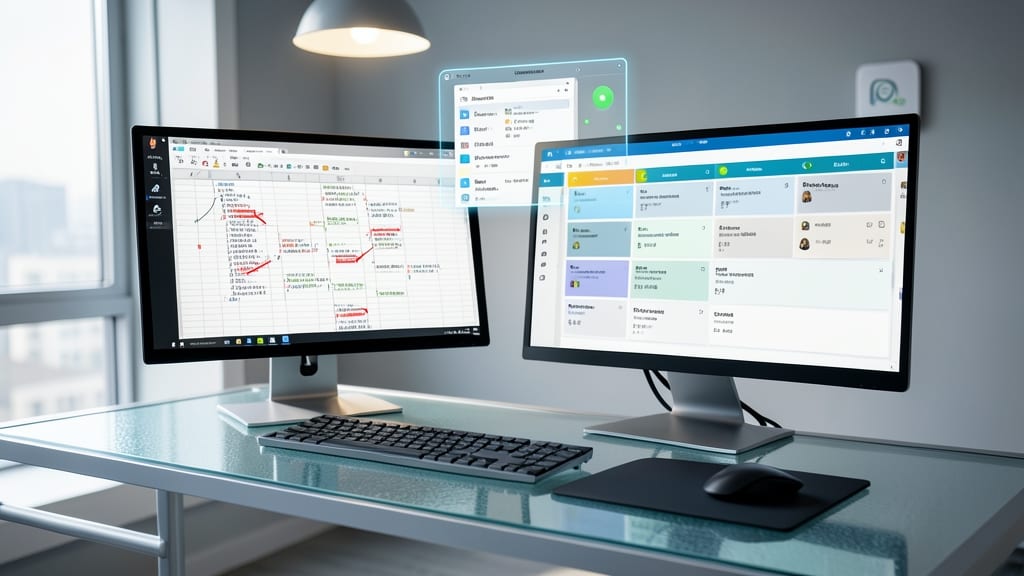
Tired of juggling spreadsheets that break when shared? Microsoft Lists turns your static Excel files into real-time, collaborative databases—no coding required. It’s the perfect middle ground for tracking tasks, inventory, or events without the complexity of Power Apps.
Create custom views with filters (like "Overdue Tasks" or "Low Stock Items"), set up automated reminders, and even integrate with Outlook or Teams. The mobile app syncs seamlessly, so you’re never stuck without updates. Best of all, it’s built into SharePoint, so no extra logins or training needed.
This is your go-to for project managers, small teams, or solo users who need organized data without the hassle. Give it a try—your inbox (and sanity) will thank you. ✨
Automate repetitive tasks with power automate flows

Tired of spending hours every week copying data between SharePoint and Outlook? Power Automate Flows lets you automate repetitive tasks—like sending email notifications when a new document is uploaded or syncing SharePoint lists with Teams—without writing a single line of code.
With pre-built templates for common scenarios (e.g., approval workflows, file backups), you can connect SharePoint, Outlook, Teams, Excel, and 300+ other apps using a simple drag-and-drop interface. For example, set up a flow that automatically creates a Teams message when a new item is added to a SharePoint list, or generate Outlook reminders for overdue tasks stored in Microsoft Lists.
This is your secret weapon if you’re drowning in manual data entry—marketing teams tracking campaign updates, HR professionals managing onboarding documents, or project managers syncing task lists across tools. ⚡
Enable co-authoring for real-time team collaboration

Ever wasted hours merging conflicting versions of a proposal? Co-authoring in SharePoint eliminates that frustration by letting multiple users edit documents simultaneously—no more "finalfinalv3.docx" chaos.
With real-time collaboration, changes appear instantly, and version conflicts vanish. Works seamlessly with Word, Excel, and PowerPoint files stored in SharePoint or OneDrive. The color-coded cursors show who’s editing what, while autosave ensures no work is lost. Perfect for remote teams drafting reports or contracts.
Ideal for legal teams, marketing groups, or any team working across time zones. Say goodbye to email ping-pong and hello to smooth, conflict-free collaboration. ✨
Customize site pages with Web Parts
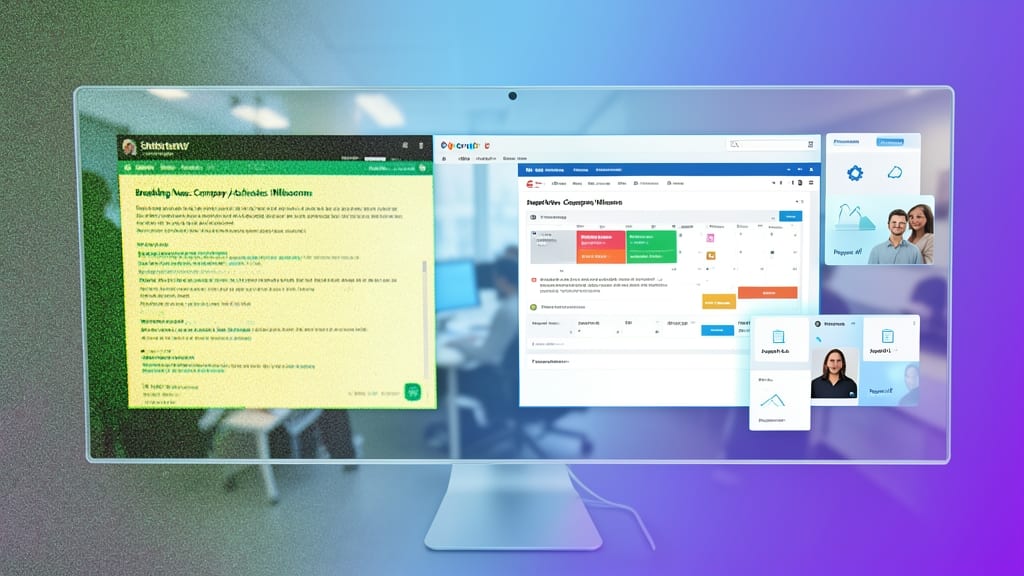
Tired of static, outdated intranet pages that look like they were designed in the '90s? Web Parts in SharePoint let you transform bland department sites into dynamic hubs with minimal effort—no coding required. Simply drag and drop pre-built blocks for news feeds, calendars, document libraries, and even custom lists to create a tailored experience for your team.
With over 50+ built-in Web Parts, you can embed everything from Microsoft Teams chat to Power BI dashboards directly onto your site. The modern editor lets you rearrange sections, adjust layouts, and even add background images—all while maintaining mobile responsiveness. For department heads managing team sites, this means you can update announcements, highlight key documents, or showcase project timelines without waiting for IT approval.
Perfect for managers who need to keep teams informed without technical overhead, Web Parts turn SharePoint into a visual command center for your department. 💡
Set up alerts for critical document updates

Legal teams reviewing contracts or HR departments updating policies can’t afford to miss critical document changes—but manually checking files daily is a recipe for oversight.
SharePoint’s alert system sends instant email notifications when files are modified, moved, or deleted, ensuring you’re always in sync. You can customize alerts to track specific libraries, folders, or even individual files, and choose between daily digests or immediate updates. For example, set an alert for a client contract library to get notified the moment a new version is uploaded, complete with the change details.
This feature is a lifesaver for legal professionals, compliance officers, or managers overseeing sensitive documents. No more chasing down team members for updates—just reliable, automated alerts to keep your work accurate and up-to-date. ✨
Secure sensitive data with SharePoint permissions
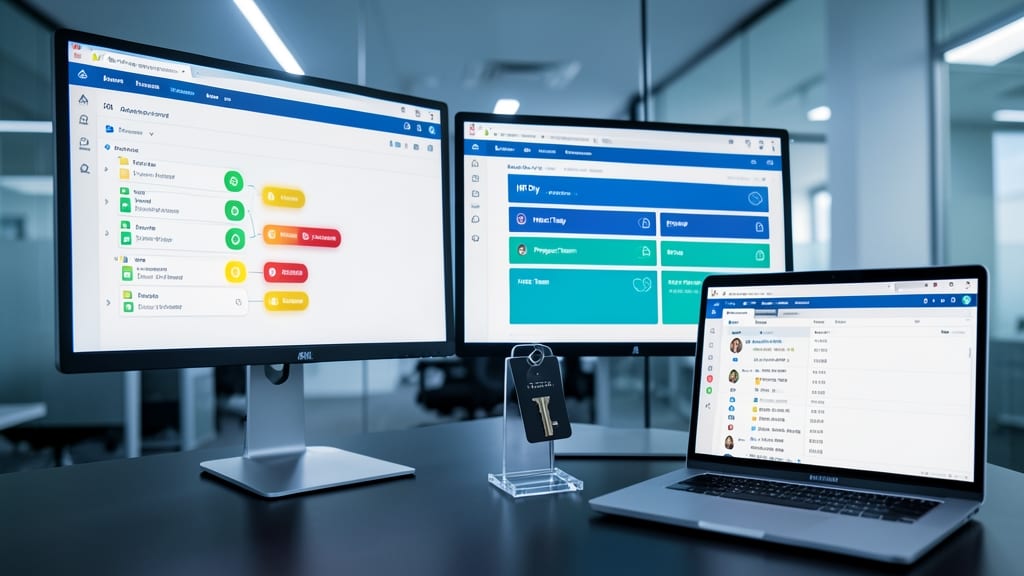
Worried about accidental data leaks or unauthorized access? SharePoint’s granular permissions let you control who sees, edits, or even views files—down to the individual document level. This isn’t just about locking files; it’s about creating custom access groups (like "HR Only" or "Project Team") and setting expiration dates for temporary access.
Use inherited permissions to apply rules site-wide or break permission inheritance for specific folders to override defaults. The audit logs track every access attempt, giving compliance teams proof of who viewed sensitive data—and when. For extra security, enable multi-factor authentication for sensitive libraries to block unauthorized logins.
This is your go-to for legal teams, finance managers, or anyone handling confidential client data. With just a few clicks, you’ll turn SharePoint into a fortress for your files. ✨